Every once in a while, a concept comes along that forces the entire industry to zoom out from day-to-day operations and confront a bigger truth: maybe we’re defining the category too narrowly.
Over Thanksgiving weekend, I had one of those moments.
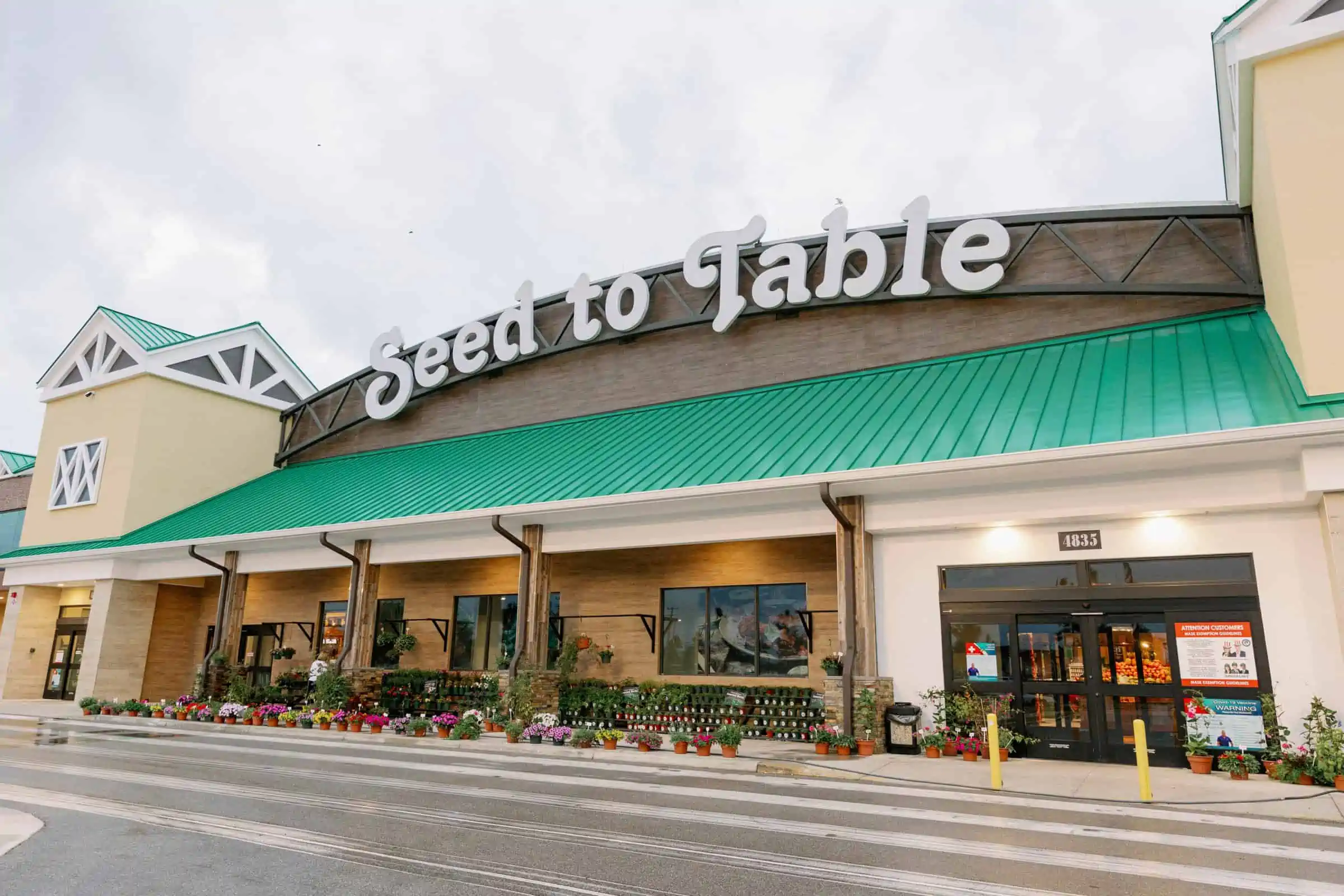
I visited Seed to Table in North Naples, expecting a grocery run, and instead walked into a brand experience that felt part food hall, part live-music venue, part bar, part community gathering space, all with a grocery store attached.
It wasn’t accidental. And it wasn’t chaotic. It was strategic. And it was working.
The store was packed, energy was high, people stayed for hours, and no part of it felt like a typical retail or dining environment.
As I dug deeper, the Placer.ai data confirmed what I felt in real time: nearly 2 million annual visits and a 118-minute average stay. Those numbers are nearly unheard of for a grocery store (we’ve calculated the average single grocery store visits to be roughly 676,000 or 13,500 per week).
This isn’t just an innovative model. It’s a signal of a universal truth driving modern shopping, dining and entertainment.
The Universal Truth Behind Seed to Table’s Success
Consumers are no longer only choosing where to eat. They’re choosing where to be. That one shift explains everything.
Food is the cost of entry. Experience is the differentiator. Time is the new competition set.
This is the insight Seed to Table is built on and it’s the insight every restaurant brand should be considering.
They’re Winning Because They Compete for Time, Not Just Meals
On my post-Thanksgiving day visit, no one seemed in a rush. They weren’t racing through aisles or waiting for a check. They were simply there, choosing to spend their discretionary time inside a space that rewarded them at every turn.
The brilliance is this: Seed to Table decouples visit duration from table turns. Most restaurants can’t do that. Longer stays hurt throughput.
At Seed to Table:
- Guests drift between bars, stations and entertainment
- They stand, wander, dance, sip, sample, and socialize
- No single area gets bottlenecked
- Revenue opportunities aren’t tied to a finite number of seats
They’ve expanded the “experience footprint” so that more time = more opportunity, not more friction. This is strategic design, not happenstance. And it unlocks something powerful: They own more of the consumer’s time than any casual dining concept can.
Eatertainment Isn’t a Trend, It’s a Consumer Recalibration
The industry loves buzzwords. “Experiential dining” has had its moment. But what Seed to Table represents is bigger: Experience isn’t a layer. It’s the product. I walked into what I thought was a Whole Foods-like grocery store. I walked out thinking: “That was a vibe.”
Today’s consumers want:
- Social energy
- Discovery
- Fluidity
- Multi-sensory moments
- Reasons to stay
- Reasons to return
- Something worth talking about
Seed to Table gives them that, by designing for eatertainment from the ground up. This is what restaurants can learn: Experience is a business model.
Their Identity Lives Beyond the Menu and That’s Their competitive Moat
What stuck with me wasn’t the food although it was solid (yummy banana nut bread, and off the charts carnitas with rice and beans). It was the feeling of being in a place alive with possibility. The killer musicians in front of the bar didn’t hurt either!
Seed to Table isn’t competing in the grocery category or the restaurant category. It’s competing in the lifestyle category. It stands for:
- Connection
- Community
- Celebration
- Discovery
- Energy
- Escape
Restaurants who brand around cuisine end up interchangeable. Restaurants who brand around an emotion end up unforgettable.
The strategic takeaway: Your menu feeds people. Your brand tells them why they should care. Seed to Table knows exactly why people care.
Check out this video to better understand the magic of the concept:
So, What Should Restaurant Leaders Take From This?
Here’s the playbook focused on the strategic opportunities for restaurant owners and operators:
1. You don’t need to copy Seed to Table, you need to understand the consumer truth behind it.
People want places that reward their time, not just their appetite.
2. Expand your experience footprint without hurting table turns.
Bars, drink rails, patios, kiosks, merch all allow the brand to earn more time and more revenue.
3. Create rhythmic moments that build habit.
Weekly events, seasonal rituals, small entertainment doses, things that build repeatability without overwhelming operations.
4. Turn your space into a venue, not just a restaurant.
Design for movement and energy, not just seating.
5. Build a brand that owns an emotion.
If your brand stands for a feeling, you stop competing on features.
Why This Matters and Why Brands Are Reaching Out to Us
Brands aren’t losing customers because their food suddenly got worse.
They’re losing customers because the rules of engagement have changed.
Consumers want:
- A place to be
- A place to belong
- A place that earns their time
- A reason to choose you over staying home
Seed to Table taps into this perfectly. Most restaurant brands haven’t yet. And that’s where strategic partners make the difference. At Response, we help restaurant brands:
- Identify their emotional territory
- Build brand experiences that earn time (not just visits)
- Create communication and storytelling systems that amplify that identity
- Design marketing that syncs with real human behavior, not outdated category norms
- Activate rituals, content, and moments that drive repeatable traffic
In other words: We help restaurants unlock the same universal truth that’s powering Seed to Table’s success in a way that fits their brand, scale, and economics.
If you’re thinking about how your brand can evolve for this new era of dining, let’s talk.